History

| December 1903
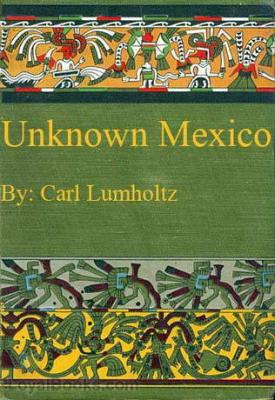
Carl Sofus Lumholtz (23 April 1851 – 5 May 1922) was a Norwegian explorer and ethnographer, best known for his meticulous field research and ethnographic publications on indigenous cultures of Australia and Mexico. Born in Fåberg, Norway, Lumholtz graduated in theology in 1876 from the Royal Frederick University, now the University of Oslo.  We suggest viewing this book in full screen mode.
| December 1903
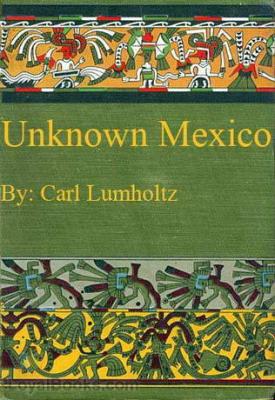
Carl Sofus Lumholtz (23 April 1851 – 5 May 1922) was a Norwegian explorer and ethnographer, best known for his meticulous field research and ethnographic publications on indigenous cultures of Australia and Mexico. Born in Fåberg, Norway, Lumholtz graduated in theology in 1876 from the Royal Frederick University, now the University of Oslo.  We suggest viewing this book in full screen mode.
| August 2000
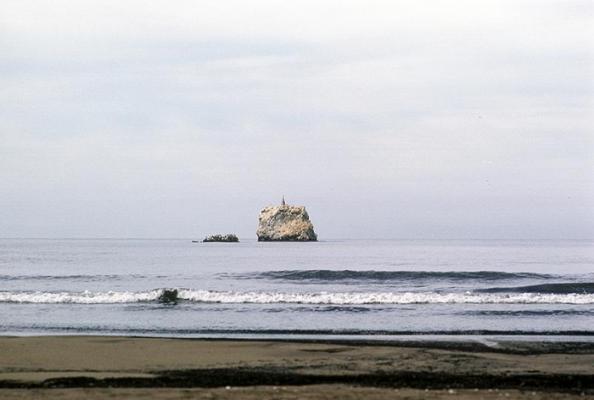
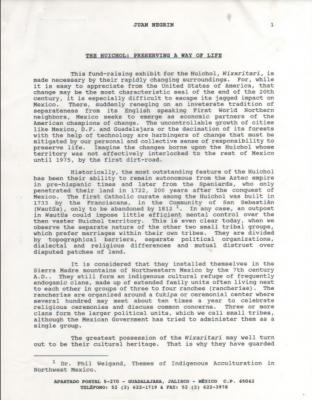
The pilgrimage of the Huichol natives of Northwestern Mexico, known as Wixaritari in their language, to the Ocean is a vital phenomenon. Although they mostly live a good 100 kilometers from the coast of the state of Nayarit: That is where the sparks of Our Great-Grandfather the Setting-Sun, Tatutsi Sakaimuka, disappear as he enters one of his subterranean aquatic canals, and one waits for Our Father, Tayau, or Our Creator, Taweviékame, to reappear on the other side, in the sacred desert of the east, Wirikuta.
| January 2011
Wirikuta is one of the most important natural sacred sites of the Wixárika (Huichol) indigenous people and the world. The Wixárika people live in the states of Jalisco, Nayarit and Durango and are recognized for having preserved their spiritual identity. They have continued to practice their cultural and religious traditions for thousands of years. Wirikuta is the birthplace of the sun and the territory where the different Wixárika communities make their pilgrimage, recreating the route taken by their spiritual ancestors to sustain the essence of life on this planet. In this desert springs the peyote or jicuri, the cactus that the Wixárika ritually ingest to receive the “gift of seeing”.
| June 2018
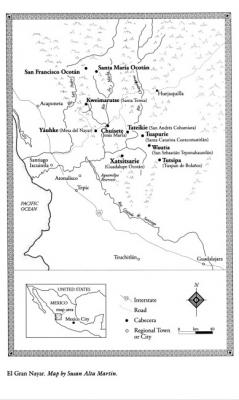
Wixaritari communities of San Sebastián Teponahuaxtlán (Wuaut + a), have detained first and second level government officials from Jalisco State in the town of Mesa del Tirador, in protest of the lack of answers to their demands—in particular, the issue of land restitution in Huajimic, in the neighboring state of Nayarit. The state government officially denies that the officials are being ‘forcibly’ detained. Sources from the state executive and from the community, confirmed to MILENIO JALISCO that there are several secretaries who are being held after attending a meeting the community called with them to discuss and resolve various problems relating to education, health, road infrastructure and poverty. Officials have been warned by the communal leaders that as a means of pressuring the officials to resolve these issues—but above all, due to the federal government’s neglect of the issue of land restitution—they will remain in Mesa del Tirador.
| January 2020

"Although multiculturalism has contributed to the recognition of the rights of indigenous peoples, the reality is that there is a lack of mechanisms for these rights to be exercised. This article proposes an analysis of this situation from a specific case, Wirikuta, a sacred site of the Wixaritari, located in the desert, in San Luis Potosí, Mexico.

| January 2024
This paper reviews the various territorial configurations that the Wixarika deal with in their everyday life, the historical processes that have led them towards deterritorialization and the strategies with which they have responded by means of creating new communal territories that are articulated through ritual tradition. The cosmogonic and communal territory is at stake within these configurations, processes, and strategies. The paper dialogues with Paul Liffman’s work, the anthropologist who claims that the existence of Wixarika tributary state systems originated in the exchange of sacrificial offerings between ceremonial centers.
| May 2018
The community of San Sebastian Teponahuaxtlan declared they will boycott this year's elections if the government doesn't return their ancestral lands to them. The Wixarika people of San Sebastian Teponahuaxtlan and Tuxpan, installed checkpoints around their communities to stop any candidate, politician or electoral authority to come into their territory until the Mexican government returns them the Huajimic ancestral lands that were seized by ranchers in 1952.