Culture

Sort by
Order
| January 2003
After independence was achieved from Spain in 1810, the laws of the reform passed under Benito Juárez during the 1850’s, restrained the power of the Catholic Church, but they also stopped recognizing Indian colonial land rights. Soon the Huichol, Cora, Tepehuano and Mexicanero Indian groups of the Western Sierra Madre were further dispossessed of their territory by their mixed blood neighbors. They rebelled, eventually uniting under Manuel Lozada, who joined French invading forces until they were stopped at Guadalajara, Jalisco, in 1873.
| January 2002

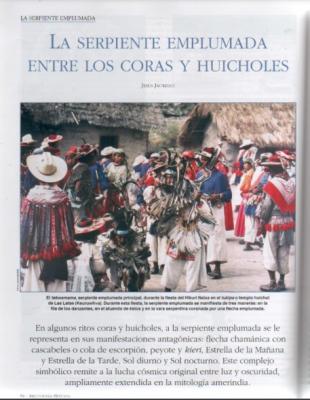
Article written by Nayarit-born anthropologist and specialist in Naayeri culture, Jesús Jáuregui, for the magazine, Arqueología Mexicana.

Read full Spanish-language essay here.

| December 2001
Article written by anthropologist Jay Courtney Fikes in conversation with Wixárika mara’akame, Catarino Carrillo. "In 1996 I made my first visit to the Huichol community of Tuxpan de Bolaños. There I began developing rapport with an eighty year old shaman who we will call Catarino. Catarino has been kind enough to share many details about his life, including the explanation (below) of how he became a shaman."
| January 2001
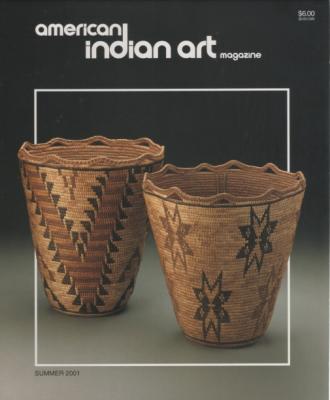
This article was written by U.S. scholar Hope Mac Lean in the summer 2001 for American Indian Art Magazine.
| January 2000
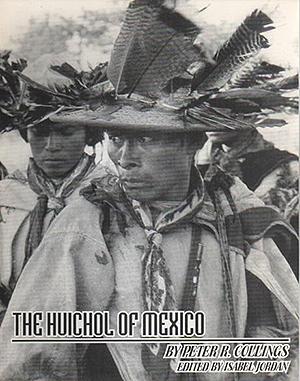
Bilingual (English and Spanish) and illustrated publication by U.S. anthropologist, Peter Collings, about Wixarika culture and history. "The Huichol are best known for their strikingly vivid, and colorful, yarn paintings and beadwork. However, few people know or understand the depth of this pre-Colombian culture. This book is just a brief overview of some answers to some of the questions I am asked of these interesting people." Peter Collings
| May 1998

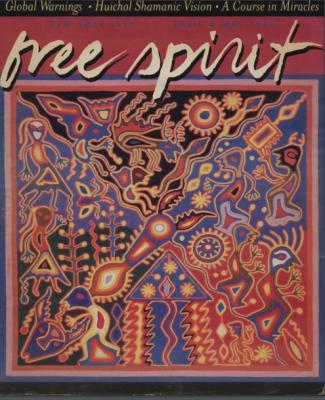
This article was co-written by longtime intellectual collaborators, Juan Negrín and William Meyers, based on a journey they took together to Wixarika territory and ongoing conversations they shared about comparative spirituality, religion, and studies on shamanism. The article is illustrated with photographs taken by Juan Negrín and was published in New York City's long running Free Spirit magazine that Meyers served on.

| July 1996
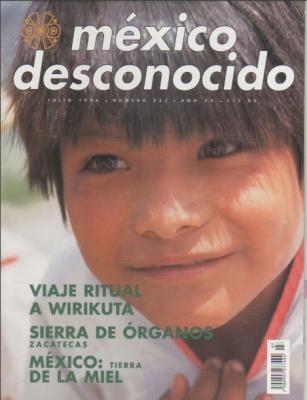
Article written by Nicolás Triedo for Mexico Desconocido in July 1996. It recounts how the Wixárika prepare to pilgrimage to the sacred place of Wirikuta and the series of actions necessary to arrive clean to communicate and dialog with the gods."It all starts in the town of La Tristeza, Nayarit. The maráakame is Don Francisco, a man of great wisdom and simplicity. He is the spiritual guide of the community. Only he can see the blue deer, Kauyumari, the elder brother of the Huicholes, and representative of the gods. He is the teacher of the tradition, 'the custom,' who, along with his faithful companion Tatewari, Our Grandfather Fire, know the destiny of the Huicholes." Article is in Spanish
| December 1990

This article was written by Alberto Ruz Buenfil (11 September 1945– 7 December 2023) was a Mexican writer and activist whose work is dedicated to environmental sustainability, and the performing arts. He co-founded two international  theater groups as well as Mexico's first  ecovillage, known as Huehuecoyotl. This article was written for the U.S. based High Times magazine after Ruz Buenfil accompanied a camera crew from the Canadian Broadcast Corporation that was documenting a Wixarika pilgrimage to Wirikuta from the community of Tateikié.

| April 1990
Article from Shaman's Drum, a magazine that dedicated itself to the study of shamanism, ritual and spirituality. This article details the history of peyote in the Native American Church movement and the way it served as spiritual and cultural revival.
| January 1990
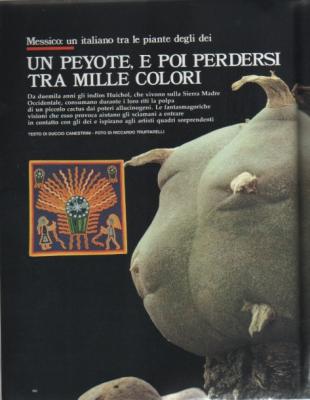
French-language article based on an interview with Juan Negrín during the activities related to the exhibit at the Centre Culturel du Mexique in Paris in 1990. Drawing on historical and contemporary critiques, Negrín recounts how he began to work with Wixarika artists in the 1970s.