Current News

Displaying 21 - 30 of 105
| May 2025

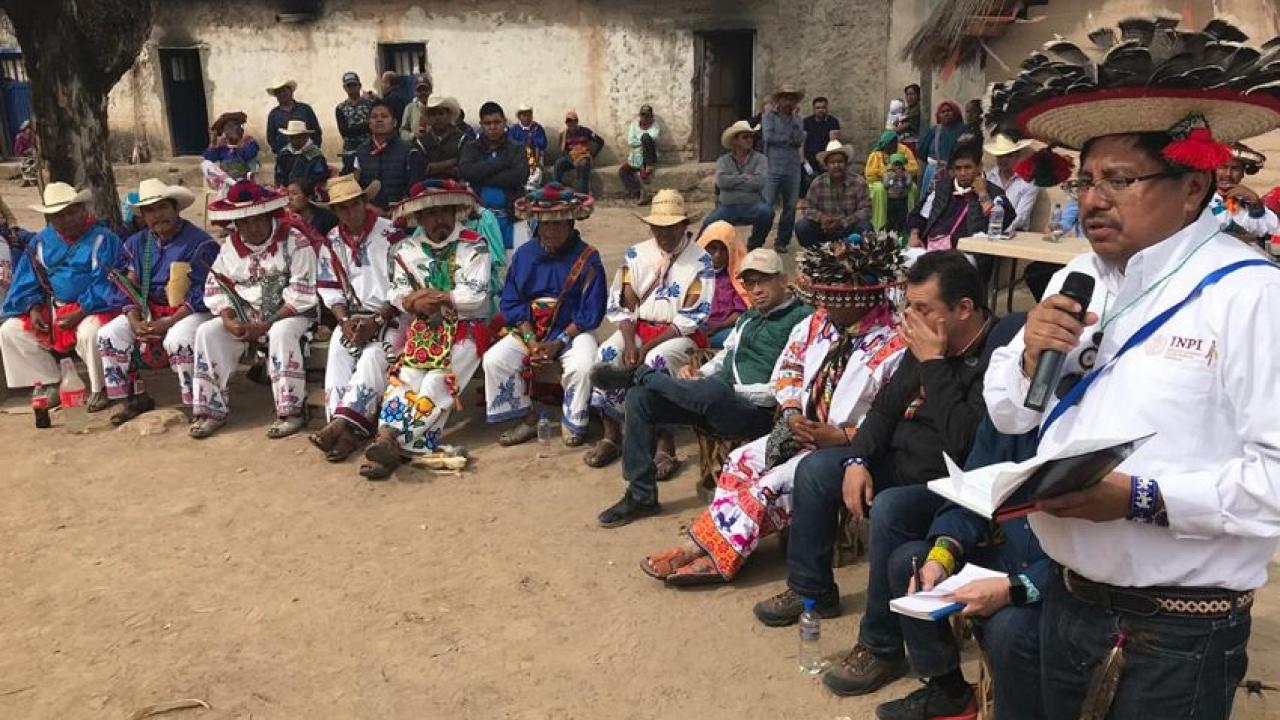
"President Claudia Sheinbaum has taken decisive steps toward the restitution of ancestral lands to the Wixárika people in a historic process that seeks to repair decades of dispossession and agrarian conflict in the border region between Jalisco and Nayarit.

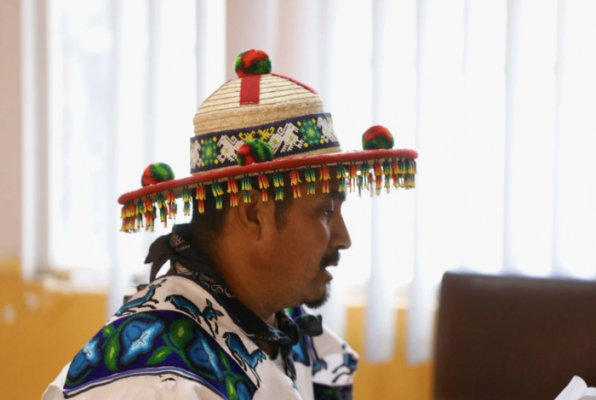
The Wixárika, sometimes known as the Huichol, are an Indigenous group primarily from the state of Jalisco. They mainly live in the municipalities of Mezquitic, Bolaños, and to a lesser extent, Huejuquilla. According to official figures, this area is home to approximately 14,300 Wixárikas.

| May 2025
President Claudia Sheinbaum has taken decisive steps toward the restitution of ancestral lands to the Wixárika people in a historic process that seeks to repair decades of dispossession and agrarian conflict in the border region between Jalisco and Nayarit.
| April 2025

"Bianca América Enríquez López o Tanima, as her grandparents called her in Wixarika, was born in Bajío del Tule, San Sebastián Teponahuaxtlán. Tanima grew up experiencing the community assemblies and that inspired her first concerns over the rights of Indigenous peoples. With Perimetral, Tanima shares her personal story and her new role in the National Institute of Indigenous Peoples where she was named a delegate." 

| April 2024
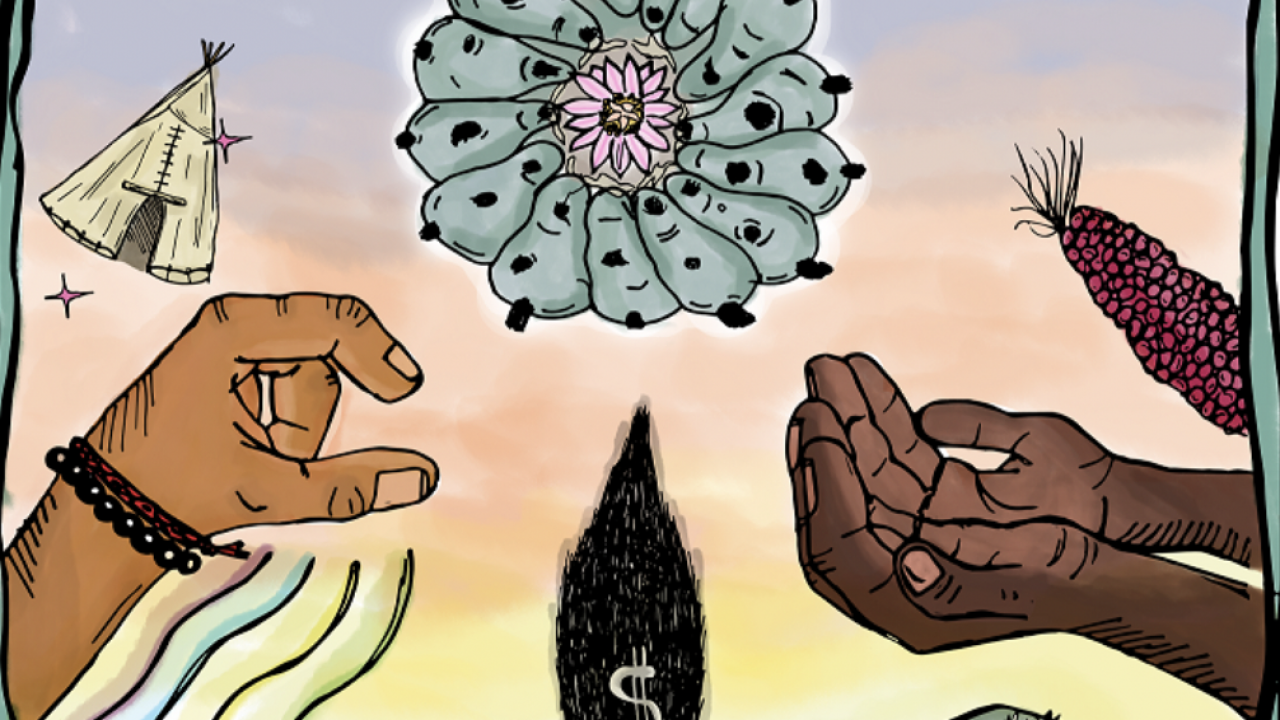
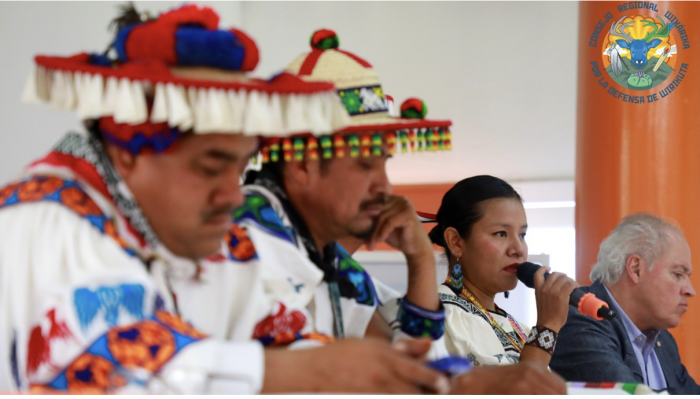
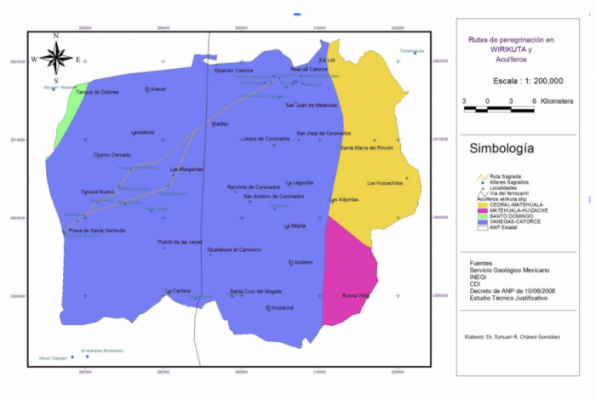
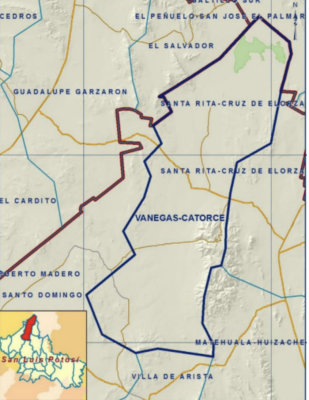
After 13 years of constant struggle, the Wixárika Regional Council for the Defense of Wirikuta (CRW), a coalition comprised of traditional, civil, and agrarian authorities from the Wixaritari communities of Santa Catarina Cuexcomatitlán, San Sebastián Teponahuaxtlán, and Tuxpan de Bolaños in Jalisco, and Bancos de San Hipólito, continues to demand that the Mexican State cancel the 78 mining concessions that threaten the sacred land of Wirikuta and its 140,000 hectares, which extend across the municipalities of Real de Catorce, Charcas, Vanegas, Villa de Guadalupe, and Villa de la Paz, in the state of San Luis Potosí.
| April 2024
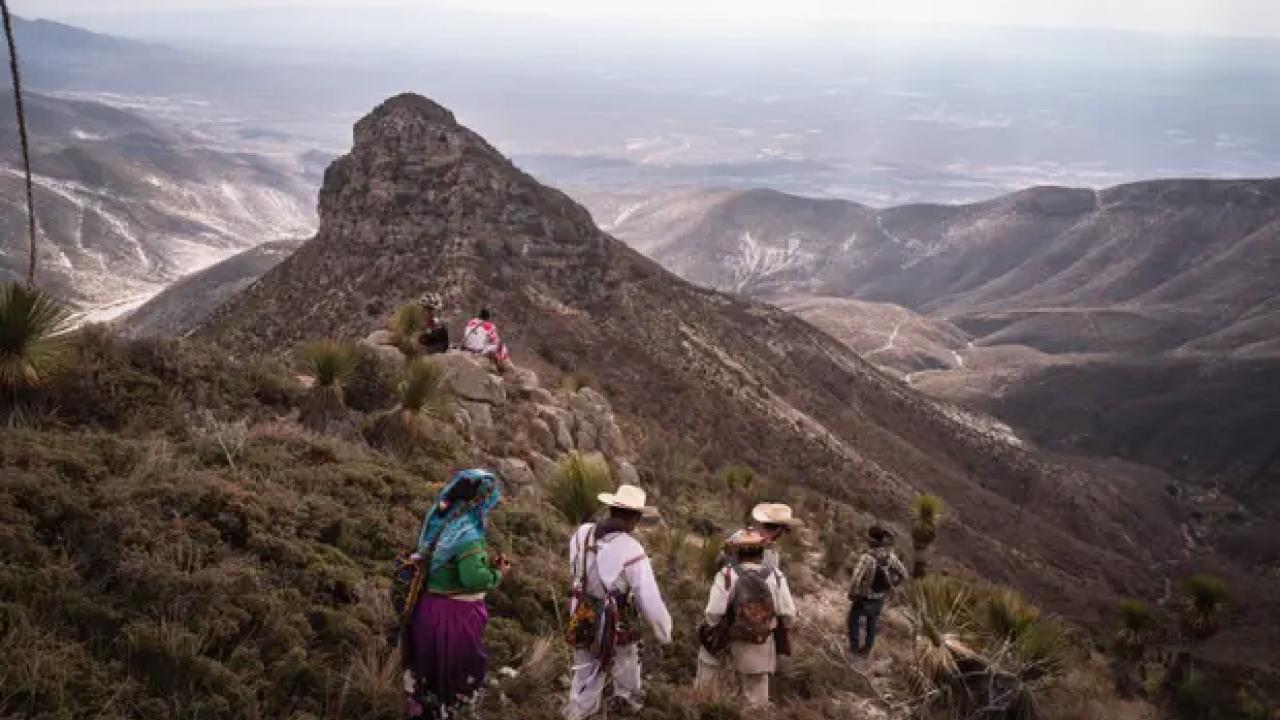
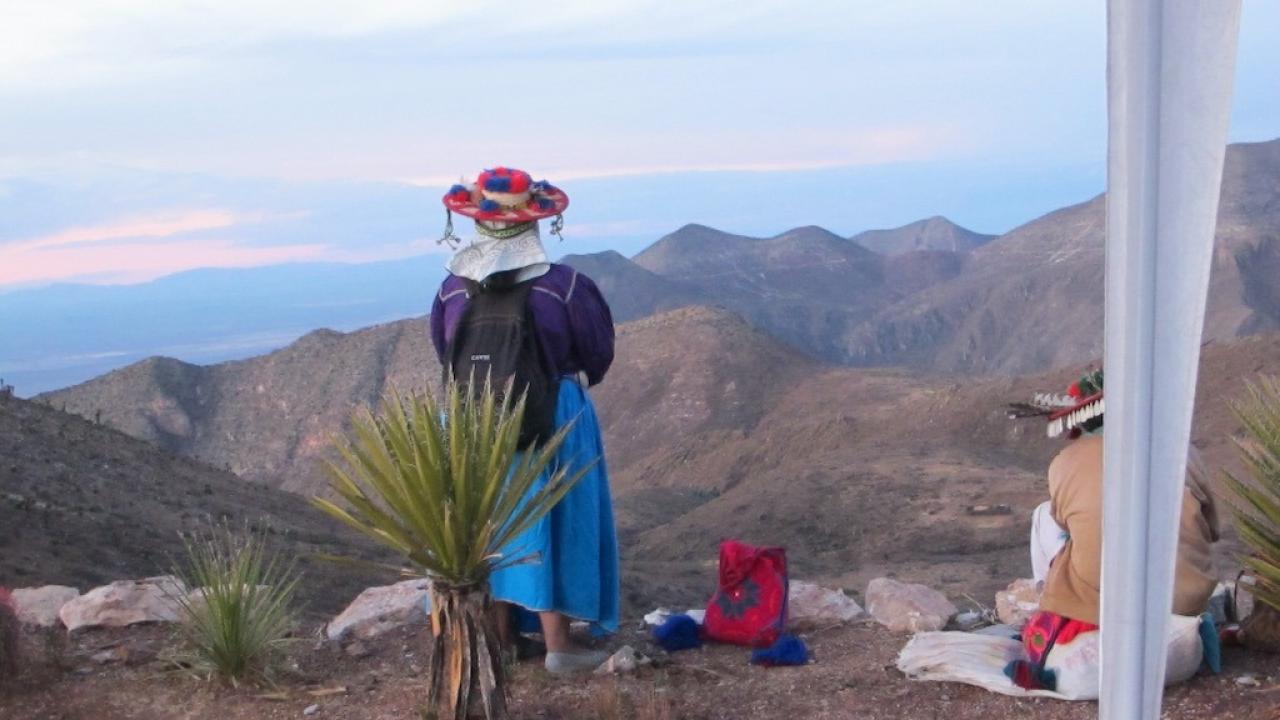
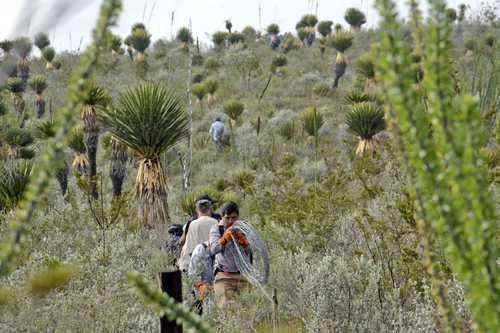
In the heart of Mexico, the Wirikuta region is not only a territory, but a symbol of spiritual and cultural connections that the Wixárika people (commonly known as Huichol) maintain with the land, a subject that is little talked about, but that it is necessary to know.
| February 2024
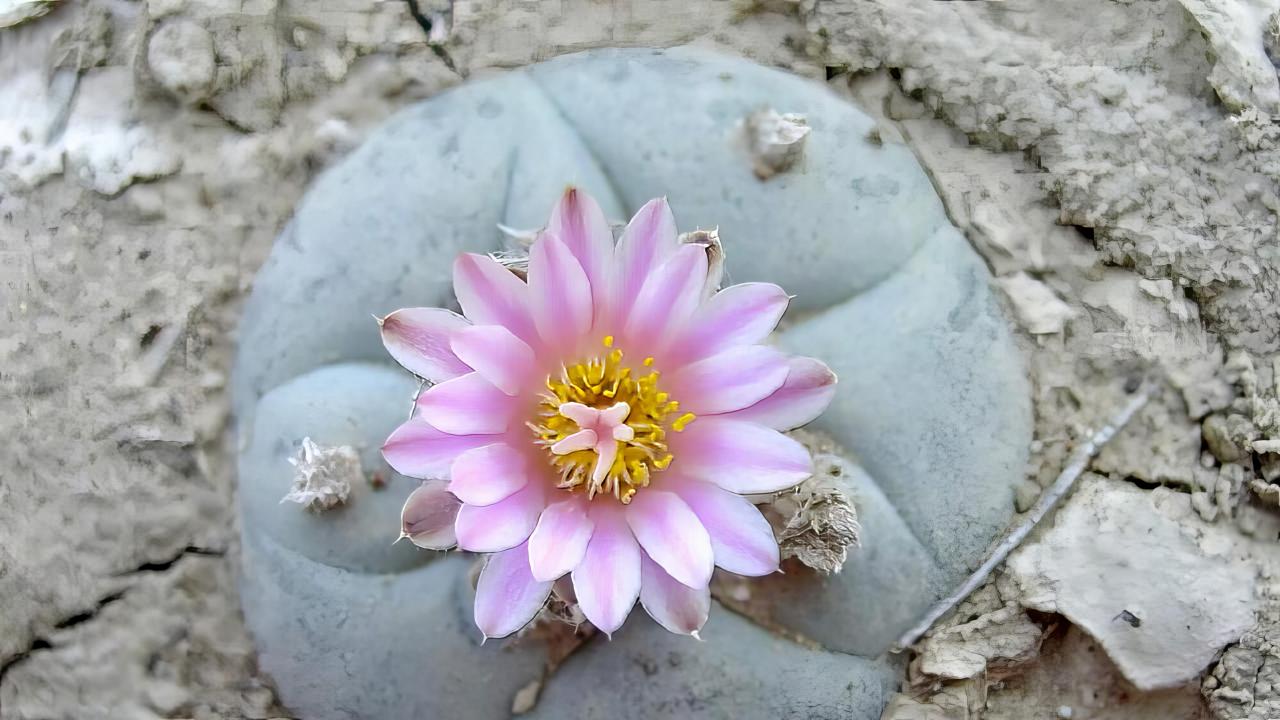
The 18th through the 20th centuries easily mark one of the most significant periods in human and environmental history, as Western European imperial expansion and settler colonialism incentivized the study and the incorporation of the botanical wonders found in what often came to be labeled as ‘the tropics.’
| January 2024
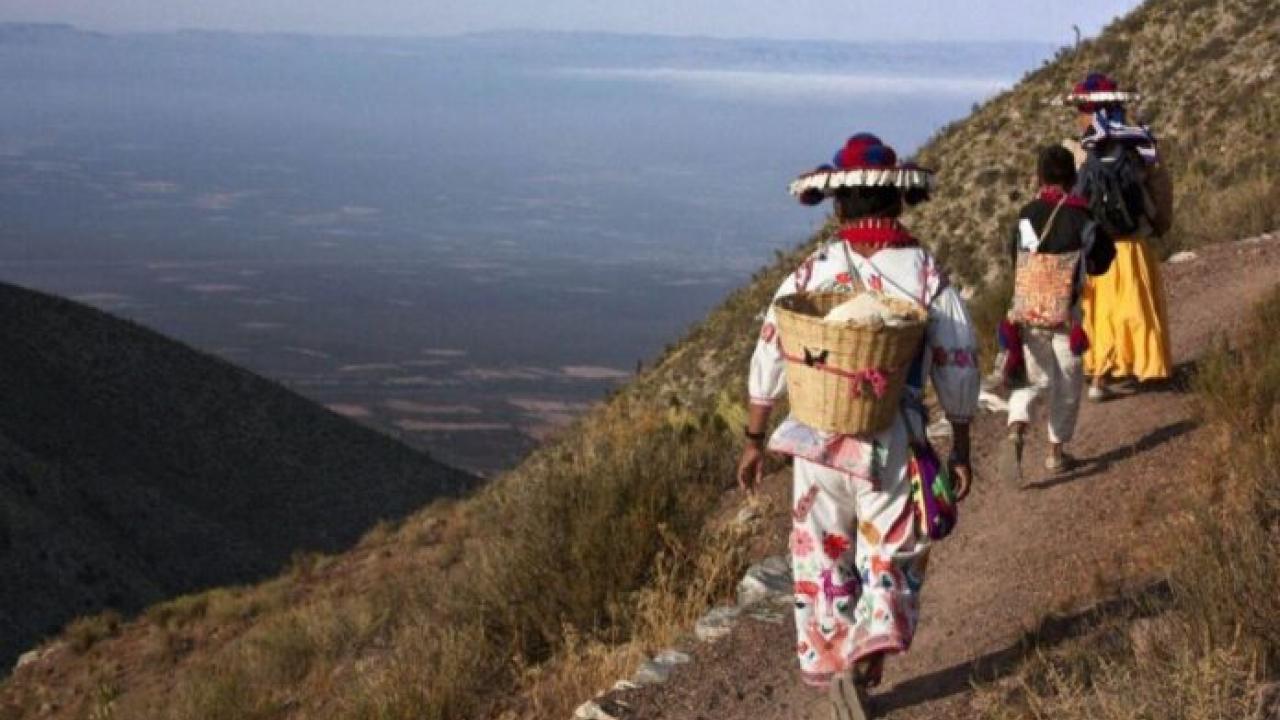
Cada año, miembros del pueblo Wixárika hacen el peregrinaje de 800km desde San Andrés Cohamiata en la Sierra de Jalisco hasta el desierto semi-árido de San Luis Potosí. Su destino es Wirikuta, un lugar sagrado donde, según sus creencias, el mundo fue creado de una gota de agua.
| January 2024
A group of Wixarika women send a letter to the head of the Cartel Jalisco Nueva Generación, Nemesio Oceguera Cervantes, to ask for his intervention in the wave of violence and extortions in the northern region of Jalisco.
| January 2024

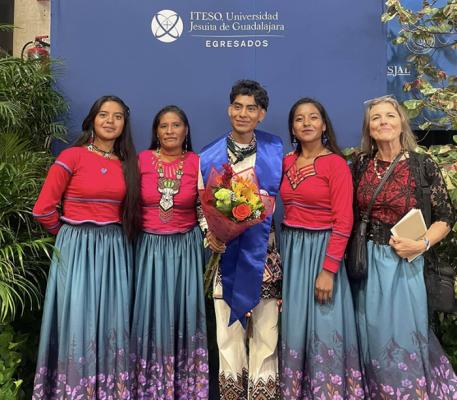
With all of their wealth, the voices of  Rubí Tsanda Huerta, Nadia Ñuu Savi, Susi Bentzulul, Sitlali Xaurima Chino and Zara Monrroy, here together, are just a small example of the expansiveness, diversity and beauty of a literature that is many literatures at once. 

Read full Spanish article here.

| January 2024
My name is Osbaldo Cosío González, I am from the Wixárika community and town of Pueblo Nuevo, Santa Catarina “Tuapurie”, municipality of Mezquitic, Jalisco. I am currently a student at the Centro Universitario de Ciencias de la Salud (CUCS) in the Medical Surgeon-Midwifery program at the University of Guadalajara. The books for this program are very expensive and sometimes I find it difficult to get them.