Current News

Displaying 41 - 50 of 99
| November 2021
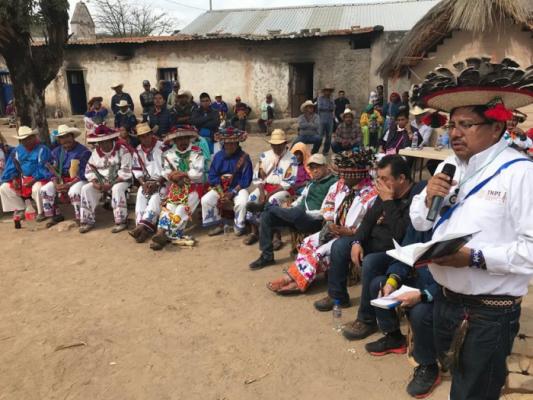
Before nurse Rocio Echevarría founded Casa Huichol in Guadalajara to shelter members of Jalisco’s Wixáritari who had family in the public hospital, there was usually one option available to the hospitalized person’s loved ones.
| September 2021
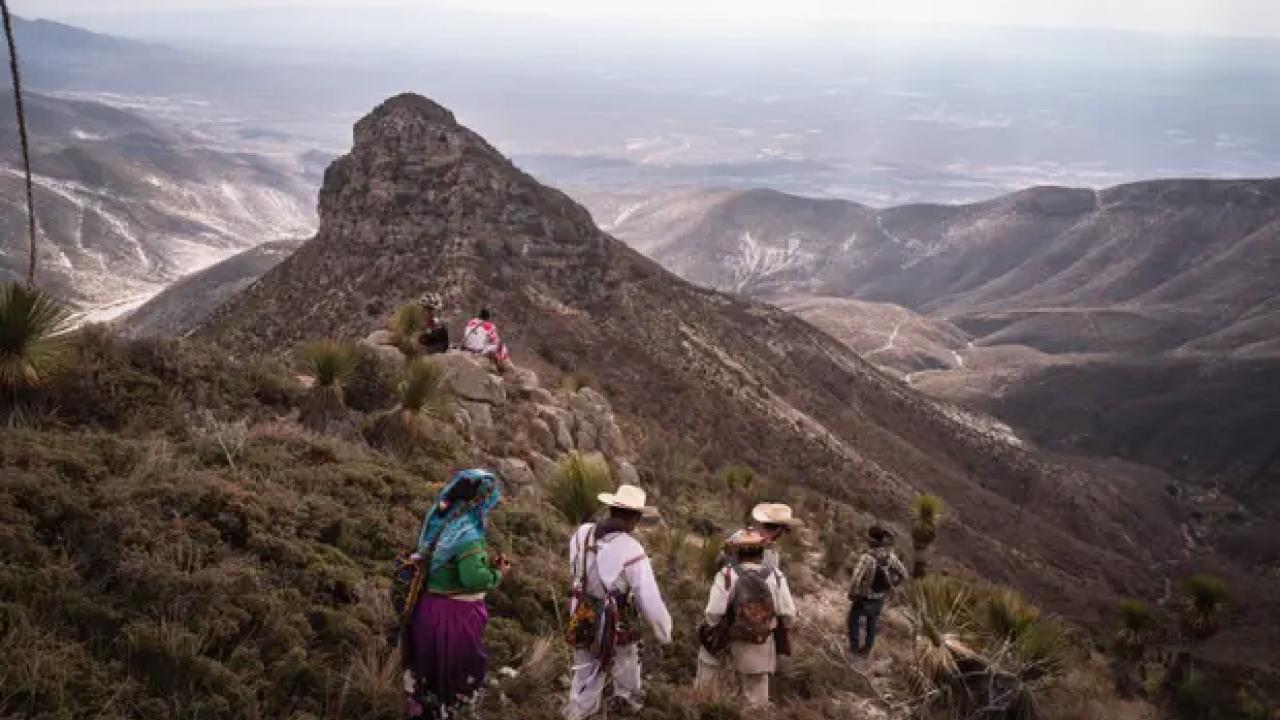
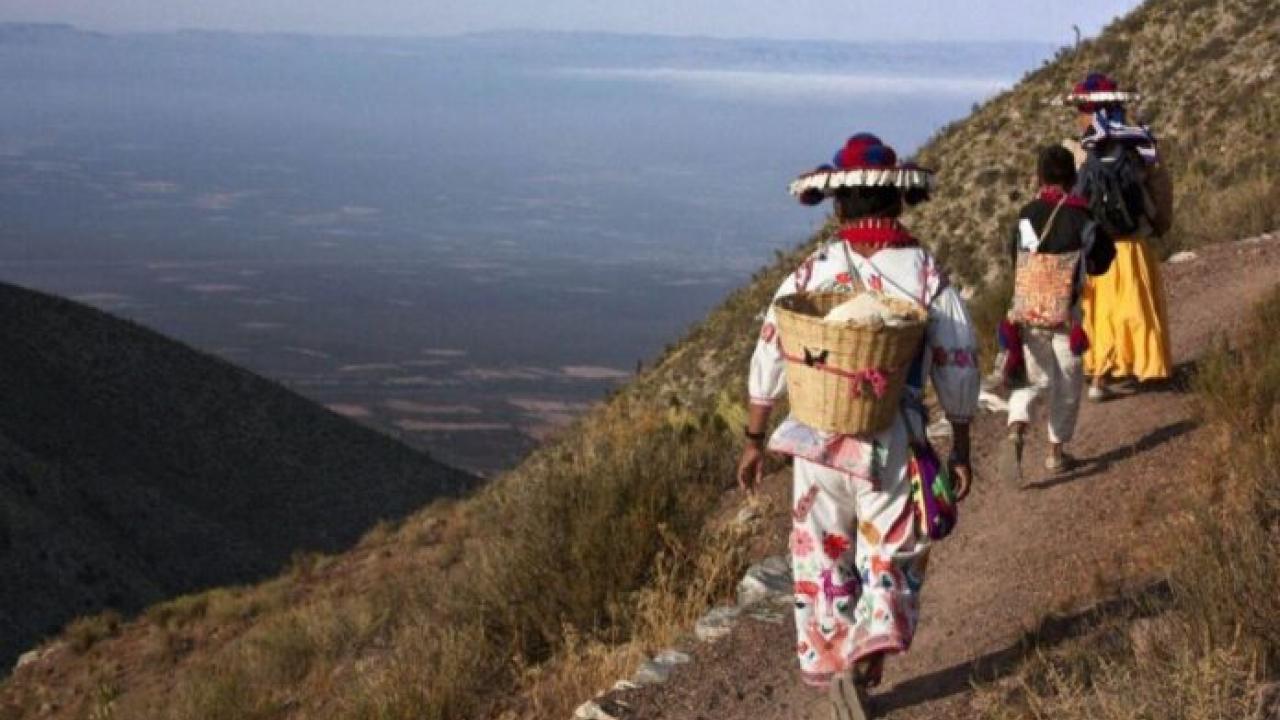
When it rains in the high plateaus of San Luis Potosí, Mexico, the dampened earth releases a scent that showcases its unique biodiversity. During the rainy season, greasewood bushes, mesquites, yucca and a wide variety of cacti flower and give their fruits, while the locals plant their cornfields that grow according to the nourishment they receive from the seasonal rainfall.
| May 2021
There are 73 mining projects within natural protected areas in Mexico, one in a Unesco heritage site, but they are allowed to operate due to a law which defines mineral extraction as a public good.
| May 2021

We are pleased to announce the call for the third generation of scholarships 2020-2021 for Wixárika University students. This scholarship aims to help students with various university-related expenses such as school supplies and books, food, lodging or transportation. This year, the Wixárika Research Center, the International Friendship Club and VCEP will offer scholarships of $6,000 pesos for undergraduate students who have completed their first year of studies.

| April 2021
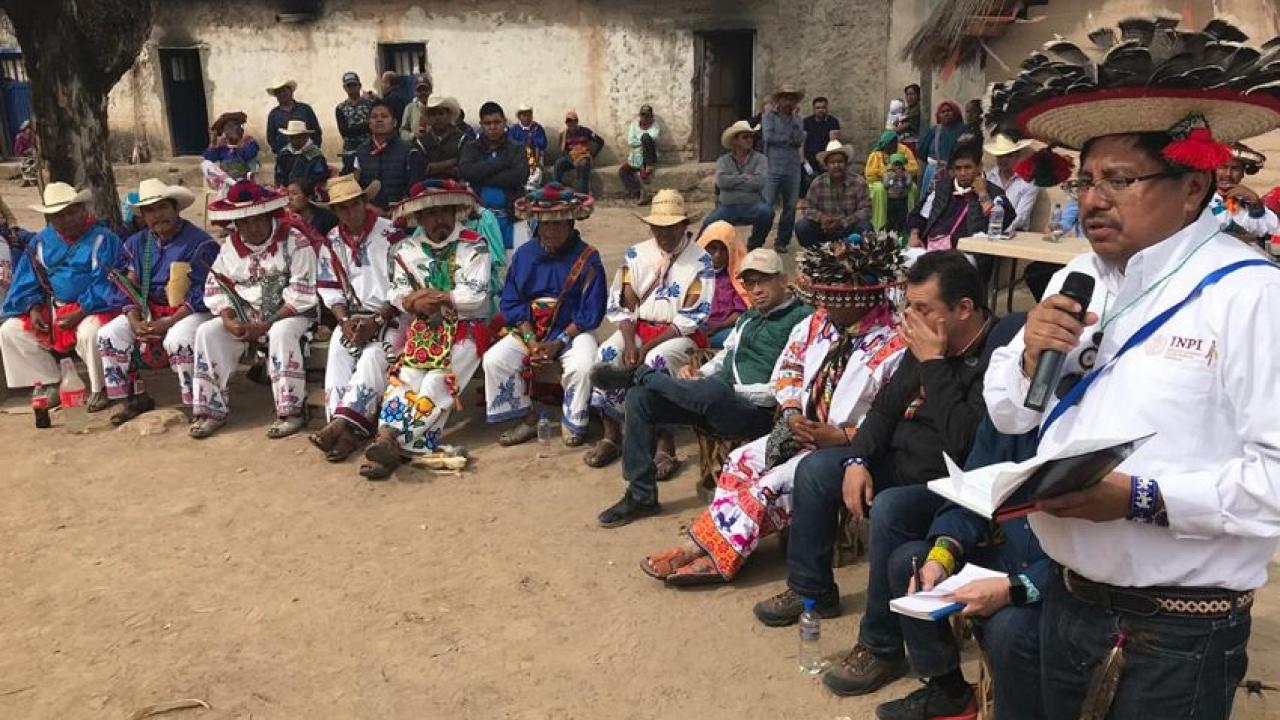
The State Commission on Human Rights of Jalisco (CEDHJ) warned of problems of insecurity in the indigenous community of Santa Catarina Cuexcomatitlán, belonging to the municipality of Mezquitic, whose commissioner and three policemen were arrested for the enforced disappearance of the PRI pre-candidate. The community is now supposed to be guarded by state police, but residents accuse that it is null and void and instead in recent days detected the presence of a group of strange men who, list in hand, are looking for comuneros from the area.
| March 2021
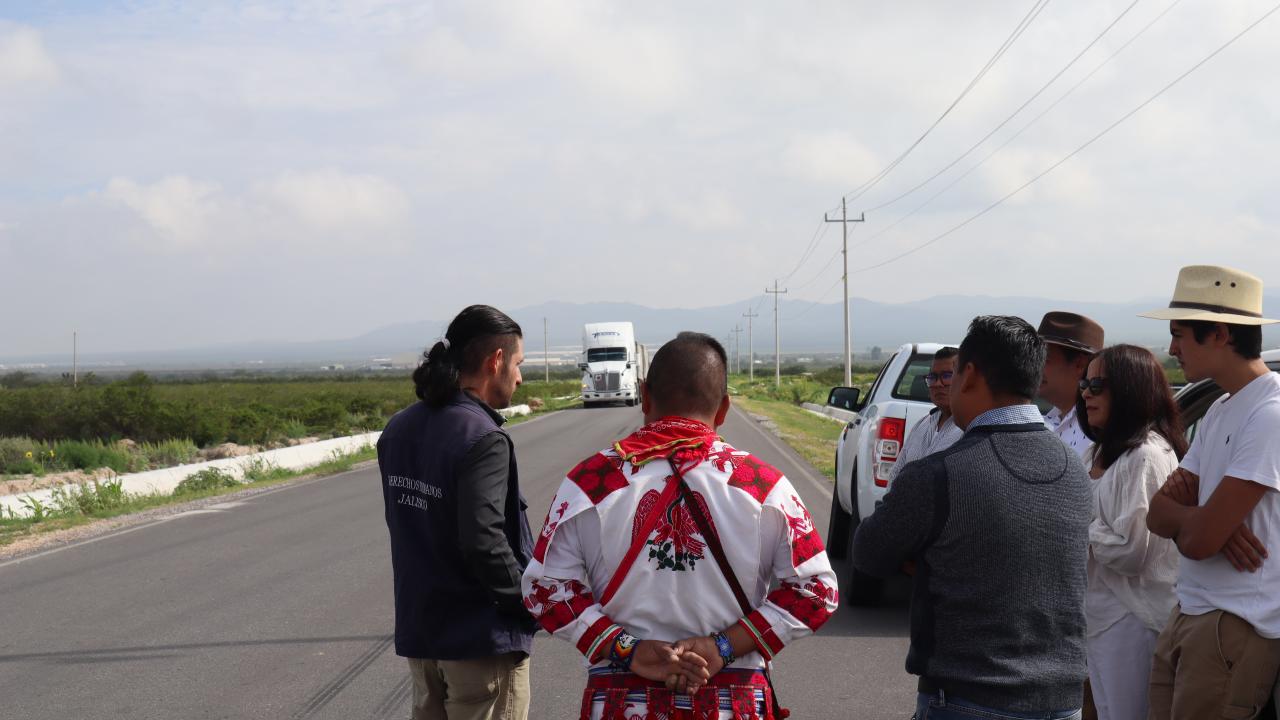
In 2007, during the construction work of the Amatitán-Huejuquilla el Alto highway, the government of Jalisco buried the sacred site of the Wixárola known as "Paso del Oso", between Tenzompa and Santa Catarina Cuexcomatitlán. This happened at the beginning of the term of former governor Emilio González Márquez, who did not have the manifestation of environmental impact.
| January 2021
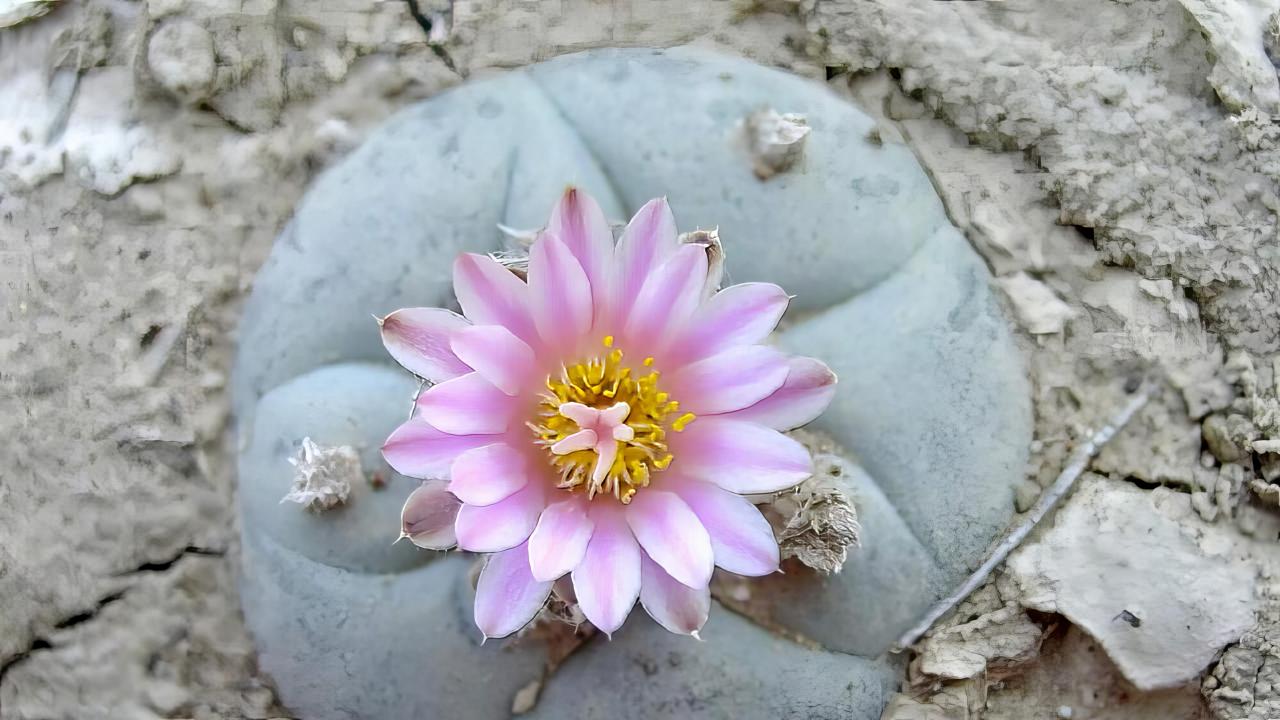
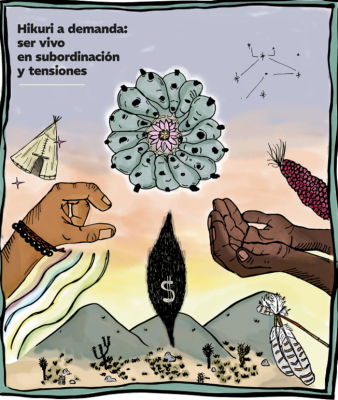
“Let’s Talk About Hikuri” (‘Hablemos de Hikuri’) is a project that was designed to create spaces for dialogue about hikuri (Lophophora williamsii), or peyote, in order to provide debates and reflections on the use and consumption of this cactus and consider proposals for its protection and use.
| January 2021
Fernando Benítez (1912-2000) was a journalist, anthropologist, writer, editor, historian, and a distinguished professor at the Faculty of Political Science, where one of the auditoriums bears his name. His work has been little studied in the 21st century. Benítez is considered the "father of cultural journalism" in Mexico.
| September 2020
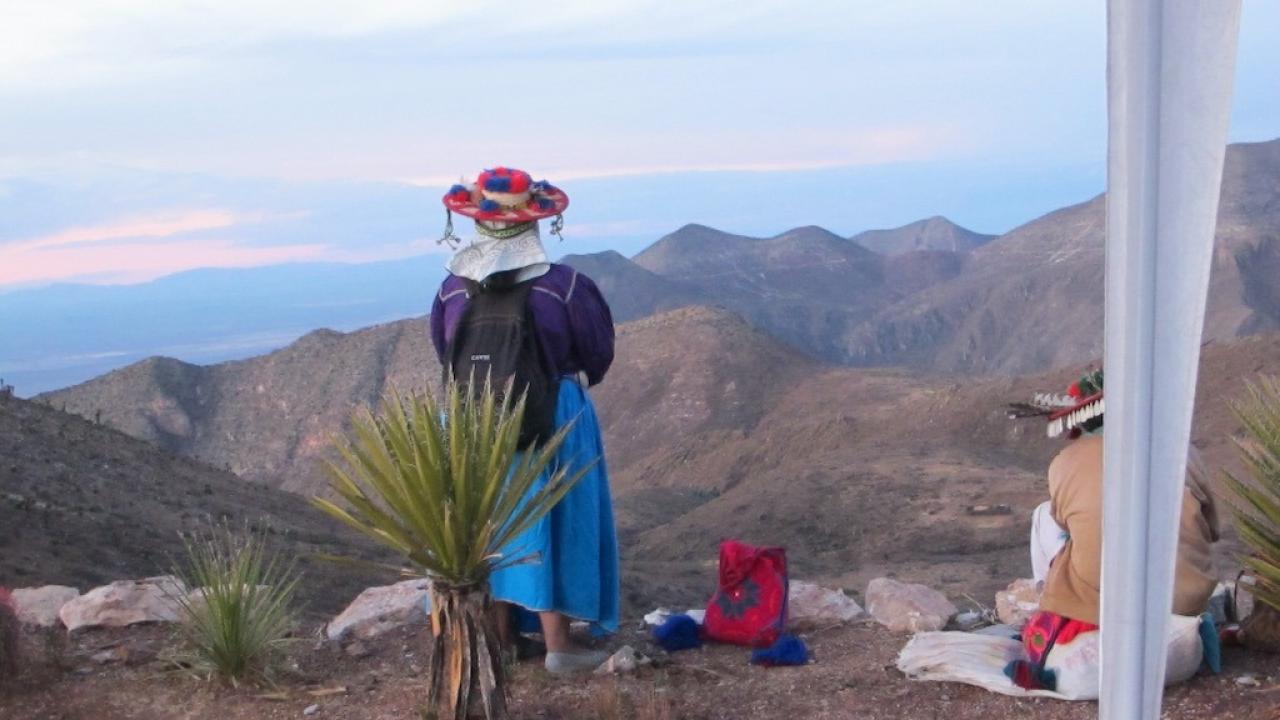
Round Table Discussion - September 11th & 12th 2020. Since the mining concessions were announced in 70% of the Wirikuta Natural Protected Area, a sacred territory for the Wixárika people and peasant peoples, a diverse and complex transnational struggle has been articulated. We want to reflect on what has been achieved, what the threats continue to be and how we can collectively work to defend this sacred land... Watch the videos of this event
| June 2020
Article detailing the impacts of the "Psychedelic Rennaissance" on peyote conservation, peyote politics and the appropriation of Wixarika culture by global consumers.