Current News

Displaying 91 - 99 of 99
| March 2011
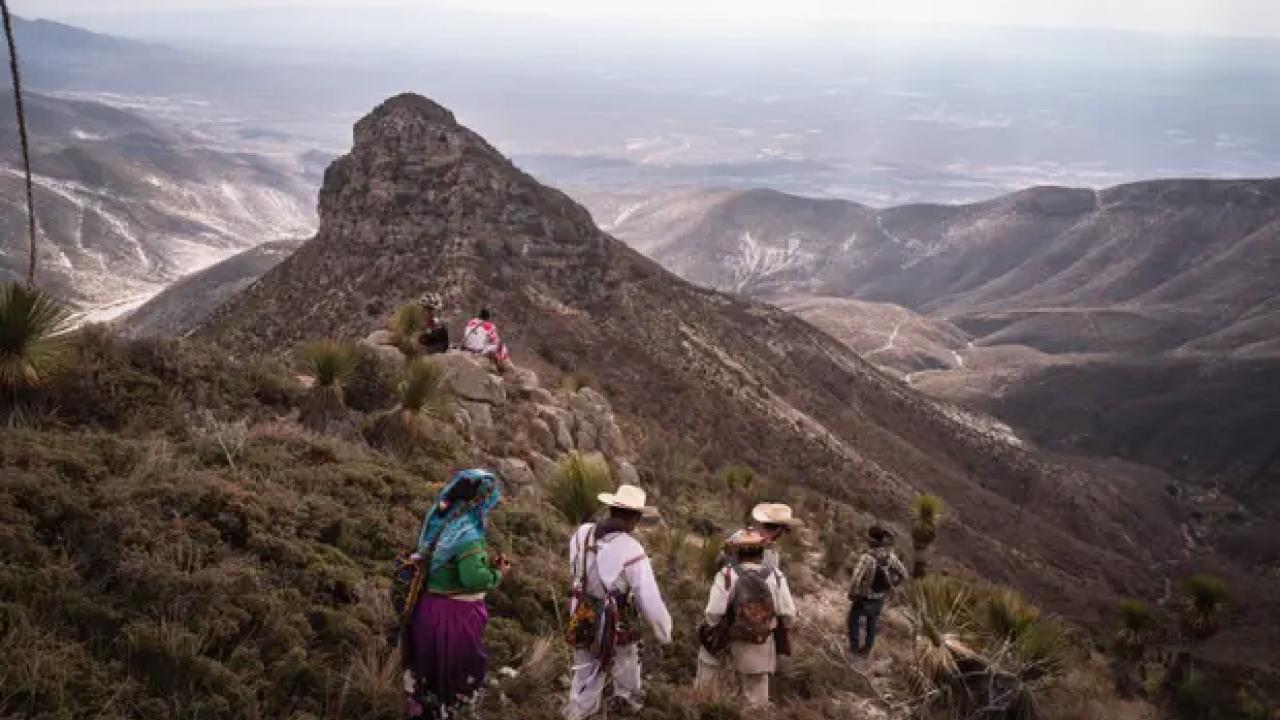
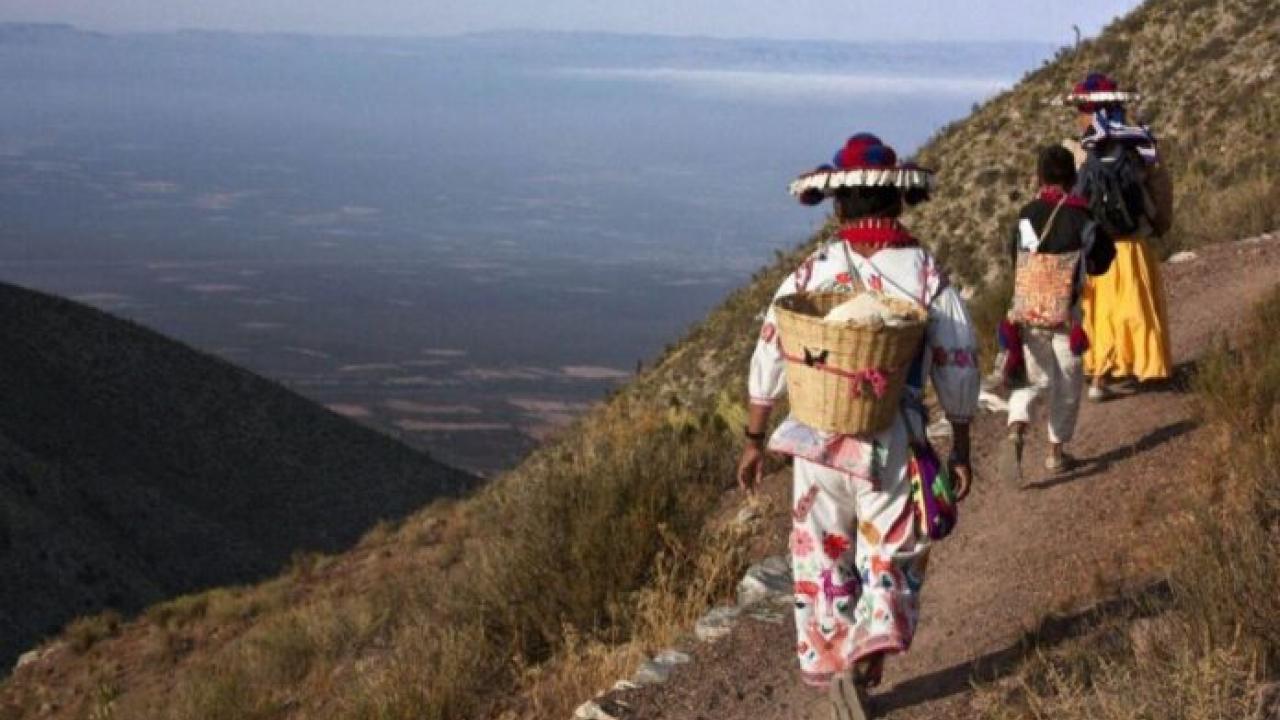
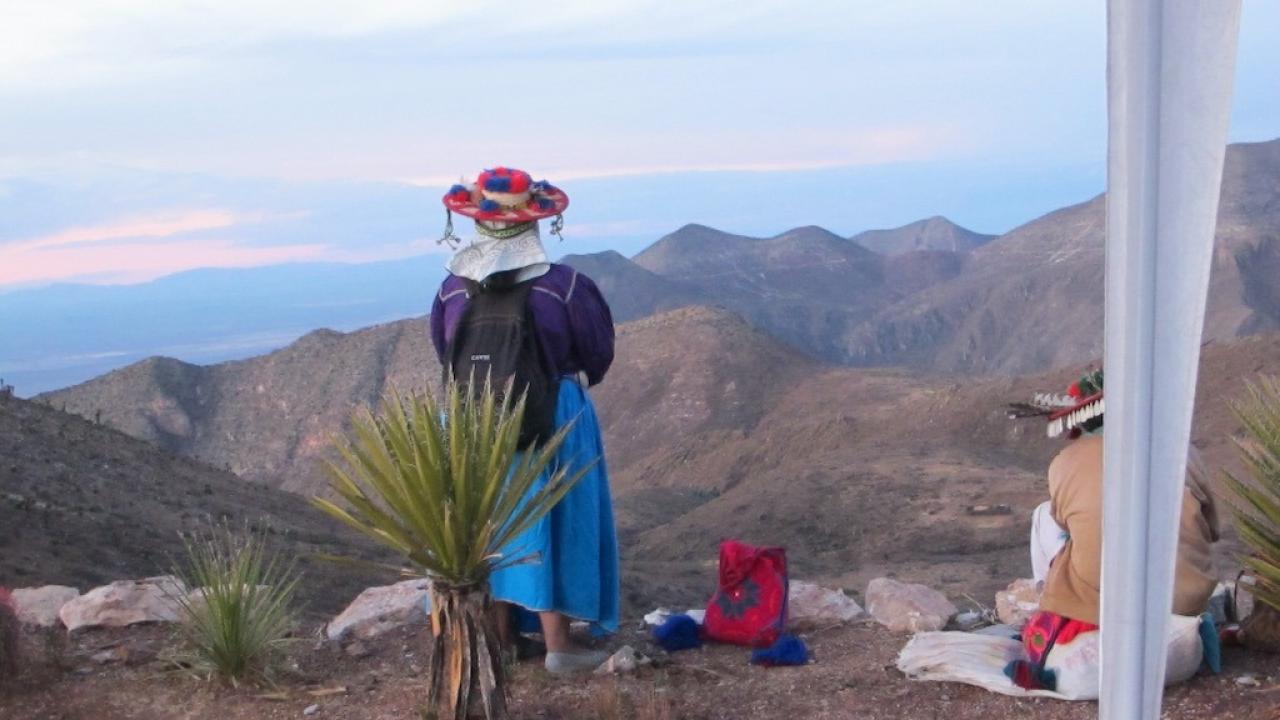
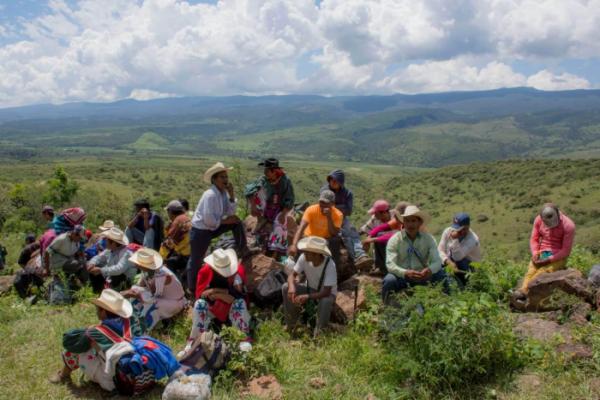
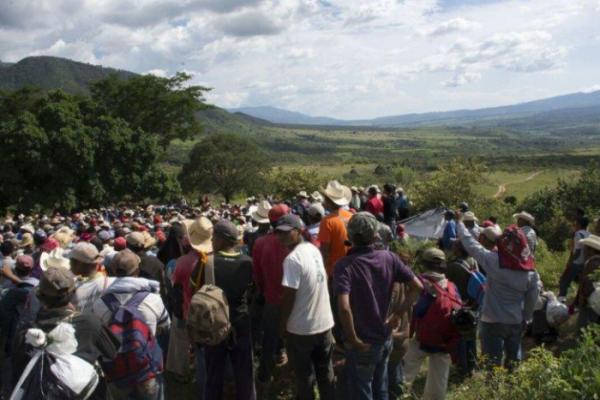
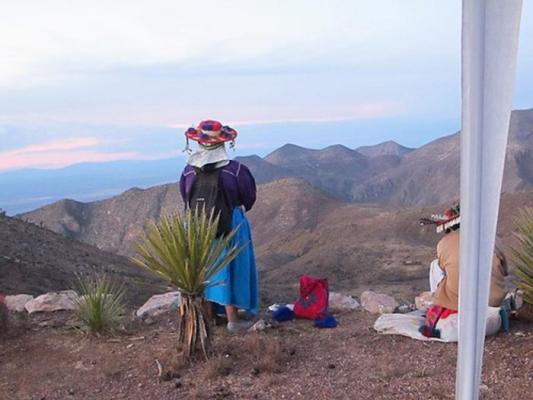
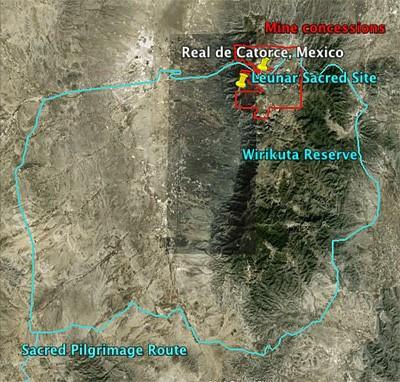
The Huichol believe a god appeared here in the form of a deer. With his antlers he first raised the sun into the heavens. So each year the Huichol trek across 800 kilometres of arid wilderness to their sacred summit Leunar. There they eat a sacred cactus and pray “that our ancient culture does not disappear. . . and the candles of life that give meaning to our identity are renewed.”
| February 2011
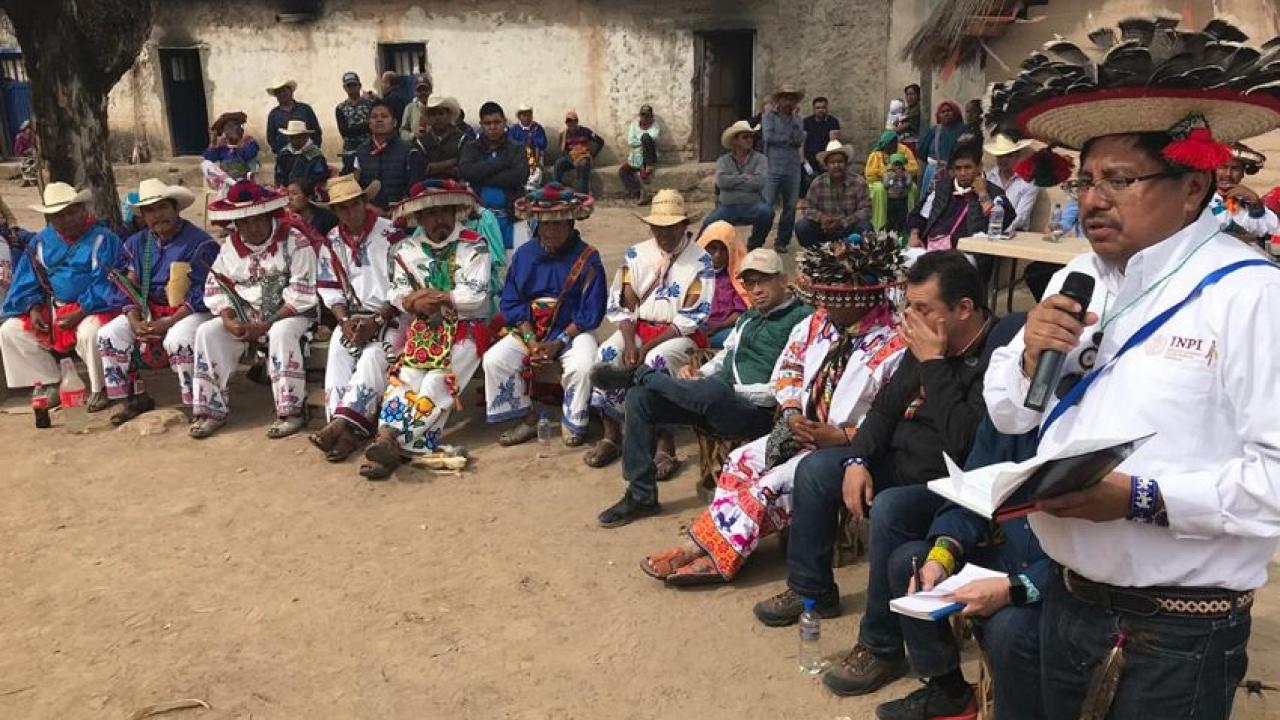
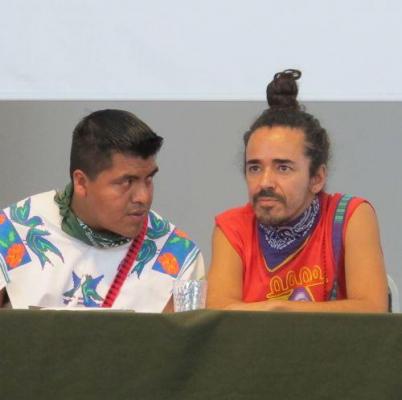
Efren was one of eight Wixarika leaders chosen by their communities in the highlands of Jalisco, Durango and Nayarit to travel from their communities to this town in Mirando City, Texas. They were there to attend the International Convention of the Native American Church, a union of Native American peoples of North America dedicated to preserving the right to traditional use of the sacred peyote plant, or medicine as it is known.
| January 2011

Despite Wirikuta’s protected status and its designation as a UNESCO Historic and Cultural Heritage Site, the Mexican government granted 22 mining concessions covering 15,631 acres to the Canadian mining company. Seventy percent of these concessions lie within the Wirikuta protected area.

| January 2011
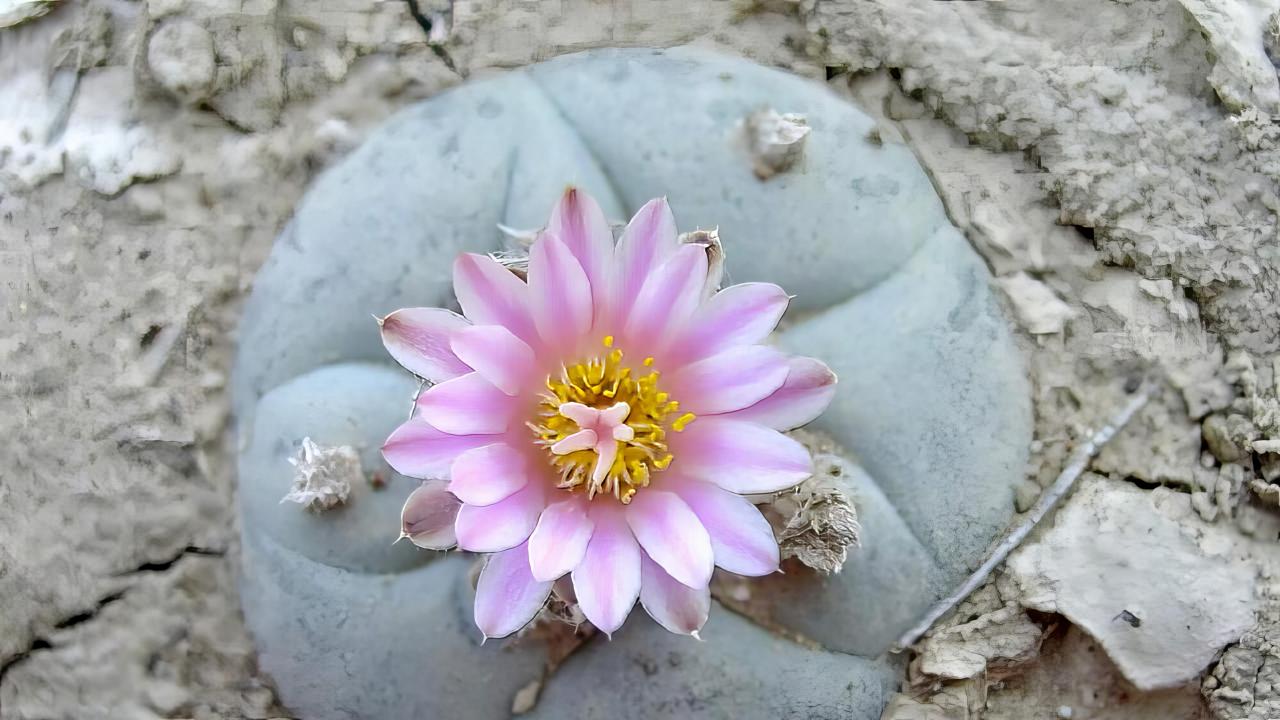
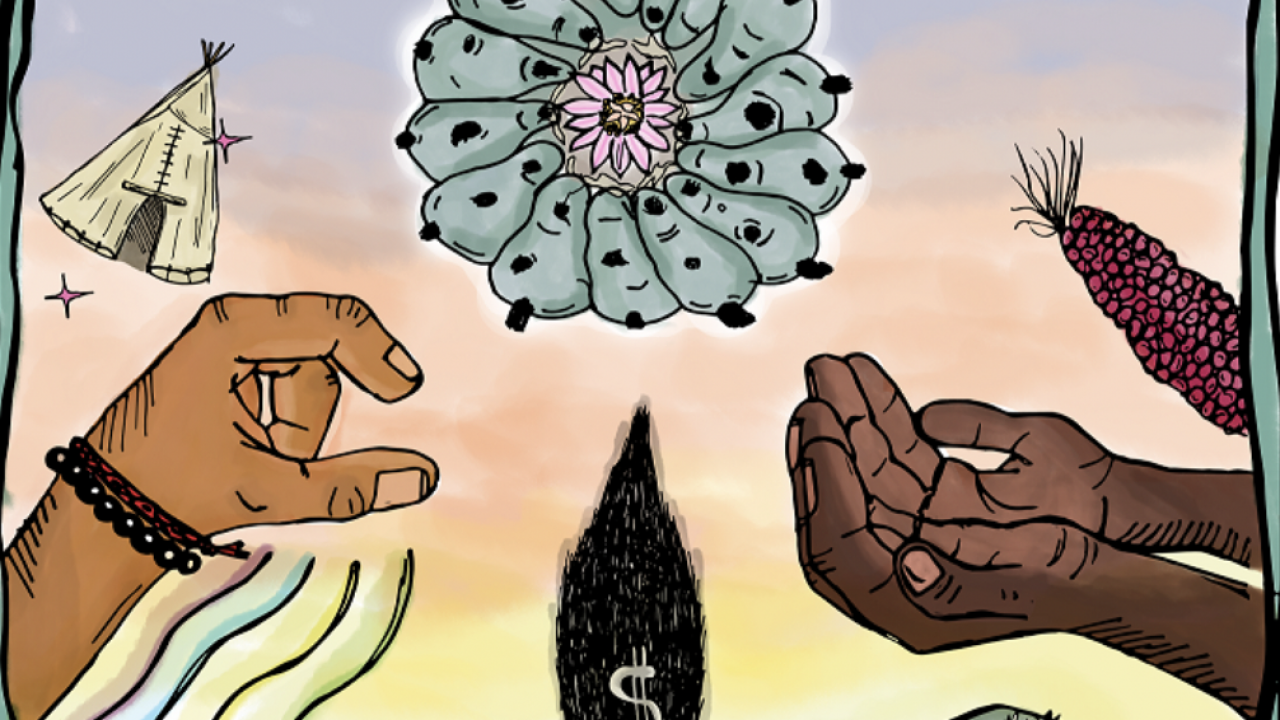
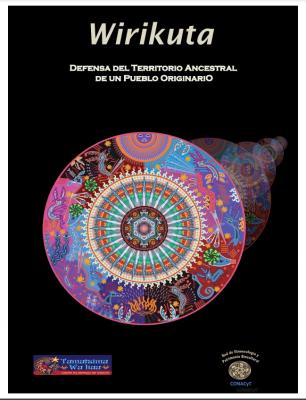
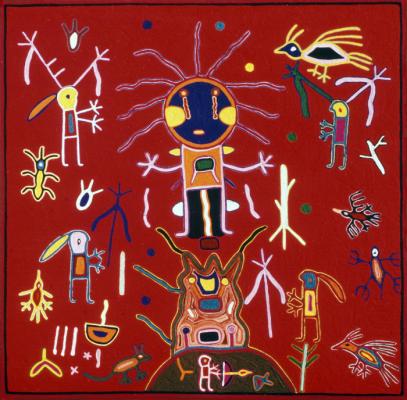
Wirikuta is one of the most important natural sacred sites of the Wixárika (Huichol) indigenous people and the world. The Wixárika people live in the states of Jalisco, Nayarit and Durango and are recognized for having preserved their spiritual identity. They have continued to practice their cultural and religious traditions for thousands of years. Wirikuta is the birthplace of the sun and the territory where the different Wixárika communities make their pilgrimage, recreating the route taken by their spiritual ancestors to sustain the essence of life on this planet. In this desert springs the peyote or jicuri, the cactus that the Wixárika ritually ingest to receive the “gift of seeing”.
| December 2010
Last Year Alone, at least five opponents of Canadian mining projects were assassinated in Latin America: three in El Salvador, one in Guatemala, and one in Mexico. Critics of mining operations there and elsewhere were wounded and maimed in attacks while many, along with their family members, were threatened.
| December 2010

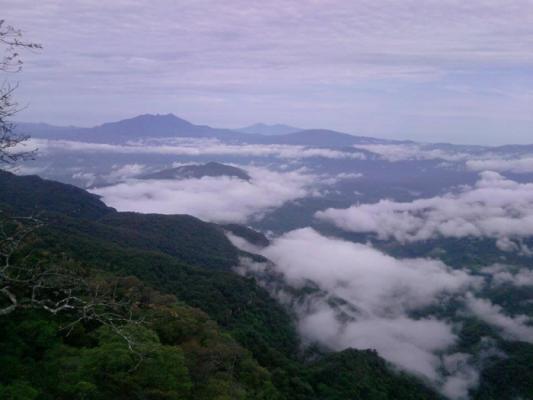
The Huicholes, who call themselves Wixarika, make pilgrimages to their ceremonial place in the Sierra Madres across the Chihuahua desert to Leunar in Mexico, their sacred mountain where the sun first rose. A Canadian mining company, First Majestic Silver Corporation, plans to exploit and mine this area. The company is planning to use cyanide to mine the sacred region. This disastrous mining will destroy the ecosystem and the sacred places of the Wixarika.

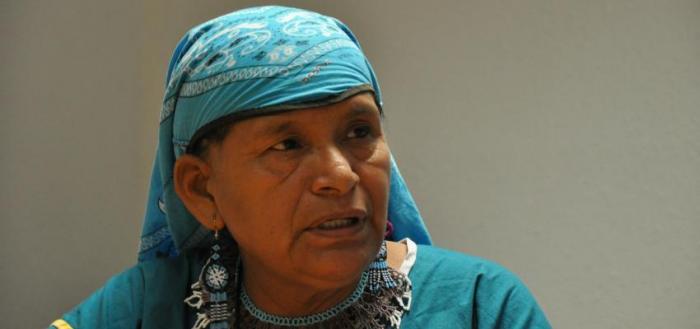
My name is Bianca América Enríquez López, I am from Bajío del Tule, which is part of the community of San Sebastián Teponahuaxtlan, in the state of Jalisco. I am a proud Indigenous Wixárika woman, and three years ago I moved to Guadalajara in search of new opportunities and to study law (Bianca América (Tanima) Enríquez López is a 2020 law graduate from the Universidad Enrique Rebsamen).
After four years of struggle, the Wixárika community of San Sebastián Teponahuaxtlán in Mezquitic, Jalisco, will directly receive federal resources to manage amongst themselves without the intervention of local officials or political parties. And they will do so with women at the table under an agreement of gender parity, a rarity among Indigenous governments and, indeed, governments in general.
Scholarship recipient 2018-2020. With the right that freedom of expression gives me and the communal statute as a member has given me, I give myself the opportunity to write a personal opinion about the future of the Indigenous Community of San Sebastián Teponahuaxtlán and its Annex of Tuxpán, the community that has given me a space in which to live, where to develop myself and that in gratitude I would like to express my sentiments for the space and for Our Mother Earth, Ta Tei Yurienaka.