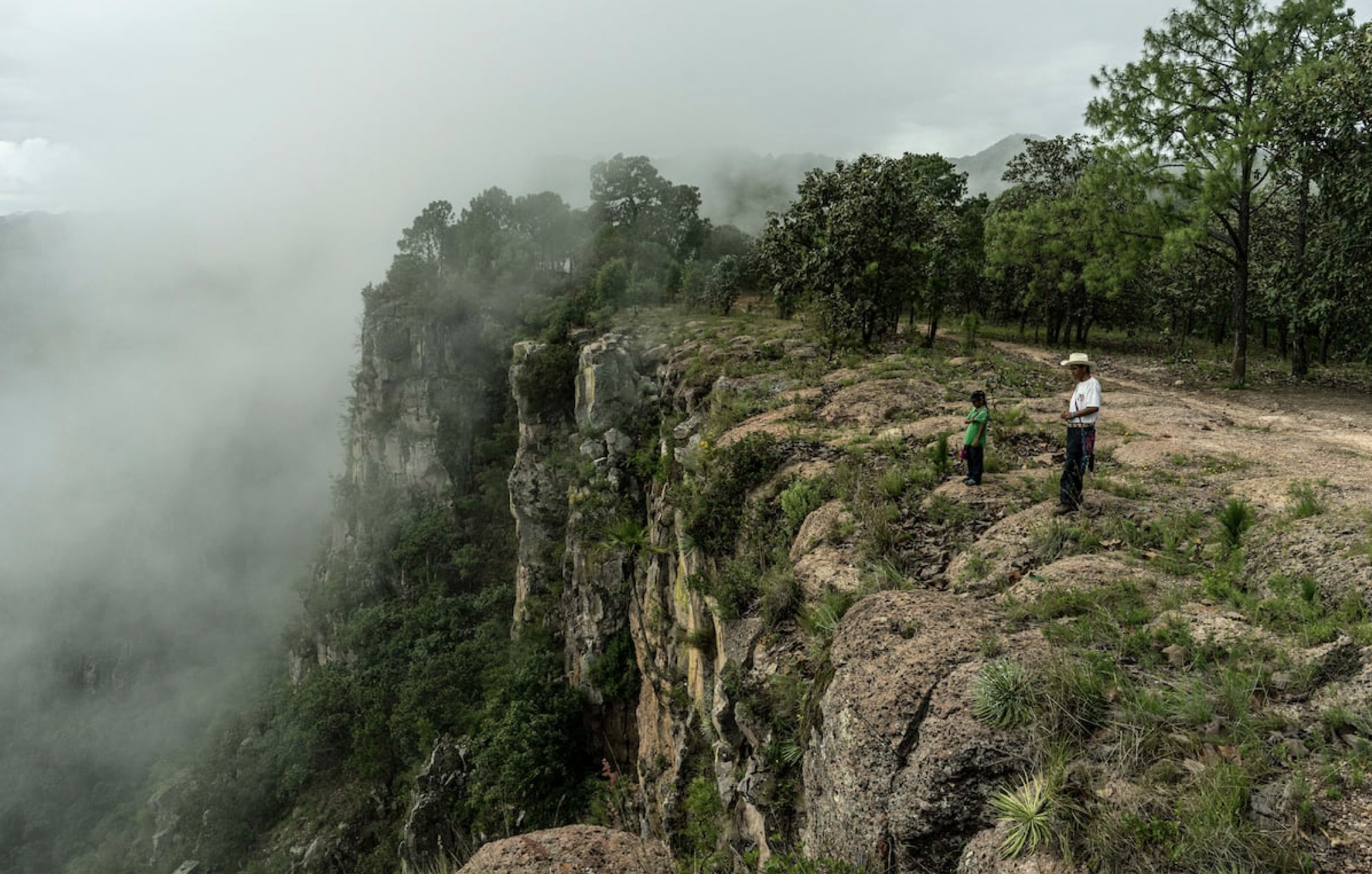
Mexican Cartels: The Communities of the Western Sierra Madres, Hostages of the War Between Cartels
"At dusk on November 30, 2020, an armed squad arrived at the village of Mesa de Torrecilla, located in the mountainous territory of southern Durango, in search of community member Refugio Ramírez Aguilar. According to witness accounts, the man took advantage of the ensuing confusion to escape into the brush; instead, the intruders seized his elderly father, Jesús Ramírez Carrillo, who remains missing to this day.
That kidnapping—which took place in a village belonging to the Wixárika (or Huichol) community, one of the four indigenous peoples inhabiting this corner of the Sierra Madre Occidental—was one of the numerous collateral effects of a war that has intensified over the past year, amidst the pandemic. This conflict pits the Sinaloa Cartel (CDS)—which has traditionally dominated this border region spanning the states of Jalisco, Zacatecas, Durango, and Nayarit—against the Jalisco New Generation Cartel (CJNG), which is determined to wrest control after expanding northward from the region's southern canyons.
The territorial dispute that these two criminal organizations have waged since 2019 for control of the region—a critical nexus for trafficking routes leading north and toward the Pacific coast—began to escalate under the non-intervention policy of Andrés Manuel López Obrador’s administration (encapsulated by the slogan "hugs, not bullets") and intensified further during the health crisis. The withdrawal of the National Guard and state police forces from the area reached its culmination late last year: in October 2020, members of the Jalisco New Generation Cartel ambushed and killed six Durango police officers, injuring seven others, along the route between Mezquital and Huazamota. Since then, the presence of security forces in the zone has become almost purely symbolic. With the cartel war now fully unleashed, the municipalities of the Sierra Madre Occidental have been left at the mercy of *de facto* powers: for years, they have been forced to participate in the cultivation of opium poppies—a practice that has declined alongside the collapse of the opium market—and in an economy of extortion; yet now, they are also being directly “invited” to join the ranks of the warring cartels—as denounced by communities in the municipality of Mezquital (home to indigenous Tepehuan, Cora, Mexicanero, and Huichol peoples). Meanwhile, the kidnapping of both indigenous people and *mestizos* has surged, and new checkpoints have sprung up, effectively restricting access to these territories."
Read full Spanish-language article here.