Culture

Sort by
Order
| April 1990
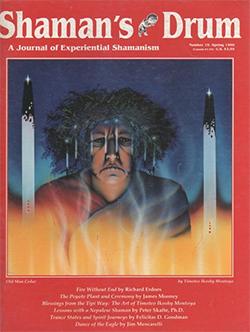
Article from Shaman's Drum, a magazine that dedicated itself to the study of shamanism, ritual and spirituality. This article details the history of peyote in the Native American Church movement and the way it served as spiritual and cultural revival.
| January 1990
French-language article based on an interview with Juan Negrín during the activities related to the exhibit at the Centre Culturel du Mexique in Paris in 1990. Drawing on historical and contemporary critiques, Negrín recounts how he began to work with Wixarika artists in the 1970s.
| January 1986
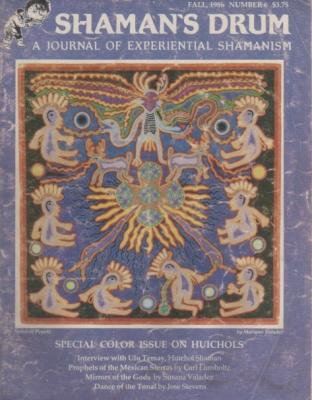
In 1986, Shaman's Drum, dedicated an issue to Wixarika art and spirituality, featuring an archival article from Norwegian ethnologist, Carl Lumholtz, an interview with Wixarika mara'akame Ulu Temay, and a text written by U.S. anthropologist, Susan Valadez (née Eger).
| September 1985
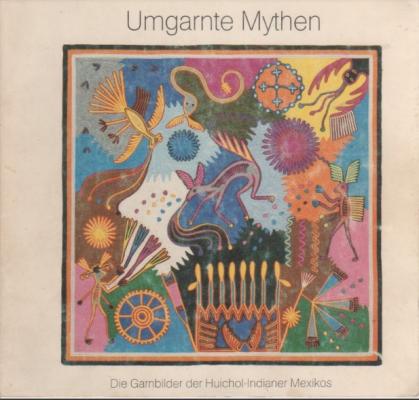
In March 1985, Thomas Bollhardt, a doctoral candidate at the Institute of Ethnology at the University of Freiburg, approached me and sought to enlist my interest in an exhibition featuring the yarn paintings of the Wixarika. At the time, Bollhardt had just returned from a one-year research stay in Mexico funded by the German Academic Exchange Service (DAAD). He had lived among the Wixarika—primarily on the outskirts and in the vicinity of the city of Tepic—participating in their daily lives, festivals, and religious ceremonies; he had observed the yarn artists at work, questioned them in numerous hours-long interviews about the content of their pieces, and had also commissioned many yarn paintings himself, bringing them back to Germany. From this exchange, an exhibit was organized and the present catalogue was published in 1985.
| April 1979
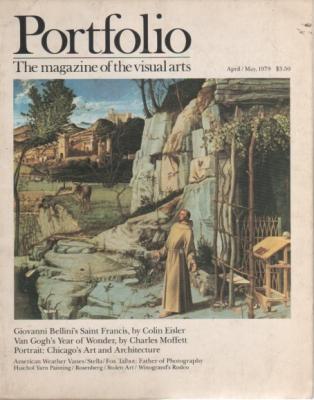
"The images have the crude ferocity of ancient mythology: warriors brandish their weapons at fleeing victims; immense deities loom over their worshipers: otherworldly beats roam fantastic gardens.  Produced by pressing brightly colored yarn onto waxed wooden panels, these images indeed have their sources in centuries-old tradition. But the art in which they appear, practiced by a small group of México´s Huichol Indians and known as yarn painting, is in fact the product of a unique collaboration between the descendants of an ancient culture and the world of modern anthropology."
| February 1979
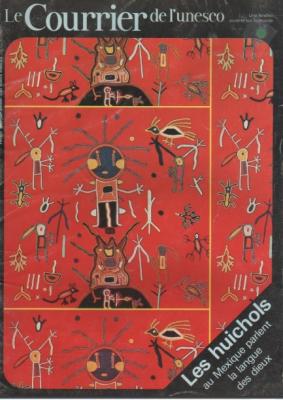
Article written by Juan Negrín for the UNESCO's magazine in 1979 detailing important aspects of Wixarika history and culture as part of one of the first international exhibits of Wixarika contemporary art. The article also details the art work of key creators of the period like José Benítez Sánchez, Guadalupe González Ríos and Juan Ríos Martínez. The cover illustrates González Ríos' masterwork, The Birth of the Sun (1978).
| January 1975
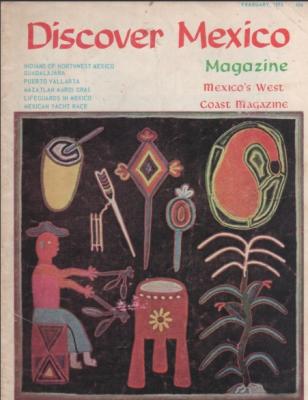
Travel article written published in 1975 about generalities pertaining to Wixarika culture and tradition.
| January 1911

"Localisation, origine et etendue ancienne de la langue des indiens huichols, étymologie.-- Place occupeé par le huichol dans les langues mexicaines. -- Vocabulaire, affixes, pronoms, prépositions, adeverves, substantifs, metaphores, toponymie.-- Fragment de chant et son analyse.- Conclusion et verbes.

La langue huichole usitée aujourd´hui par une faible peuplade indienne de la sierra du Nayarit, représentée tout au plus par un chiffre de einq mille individus, était, s´il faut en croire la tradition indigene, un idiome assez répandu avant la coquete espagnole"